Do You Need Cash in Japan? Travel Money Guide for U.S. Travelers
Japan is easier to navigate with cards than ever before, but cash remains part of everyday life. The smoothest trip starts with a thoughtful mix of Japanese yen and a reliable card.
From major hotels in Tokyo to a family-run restaurant in Kyoto, the way you pay can change from one stop to the next. Knowing where cash is still expected—and how much to carry—helps you avoid delays without traveling with more currency than you need.
Is Japan Still a Cash-Based Society?
Japan is no longer strictly cash-based. Contactless payments, transit cards, and international credit cards are now common in large cities. Even so, cash continues to be widely used for smaller purchases and in traditional or rural settings.
The practical takeaway: cards can cover many larger expenses, while yen remains the dependable backup for daily travel.
When Should You Carry Cash in Japan?
You do not need to pay for your entire trip in cash. Instead, keep enough yen for the places where card acceptance is less predictable.
Small restaurants
Neighborhood ramen shops and family-run cafés may still accept cash only.
Temples and shrines
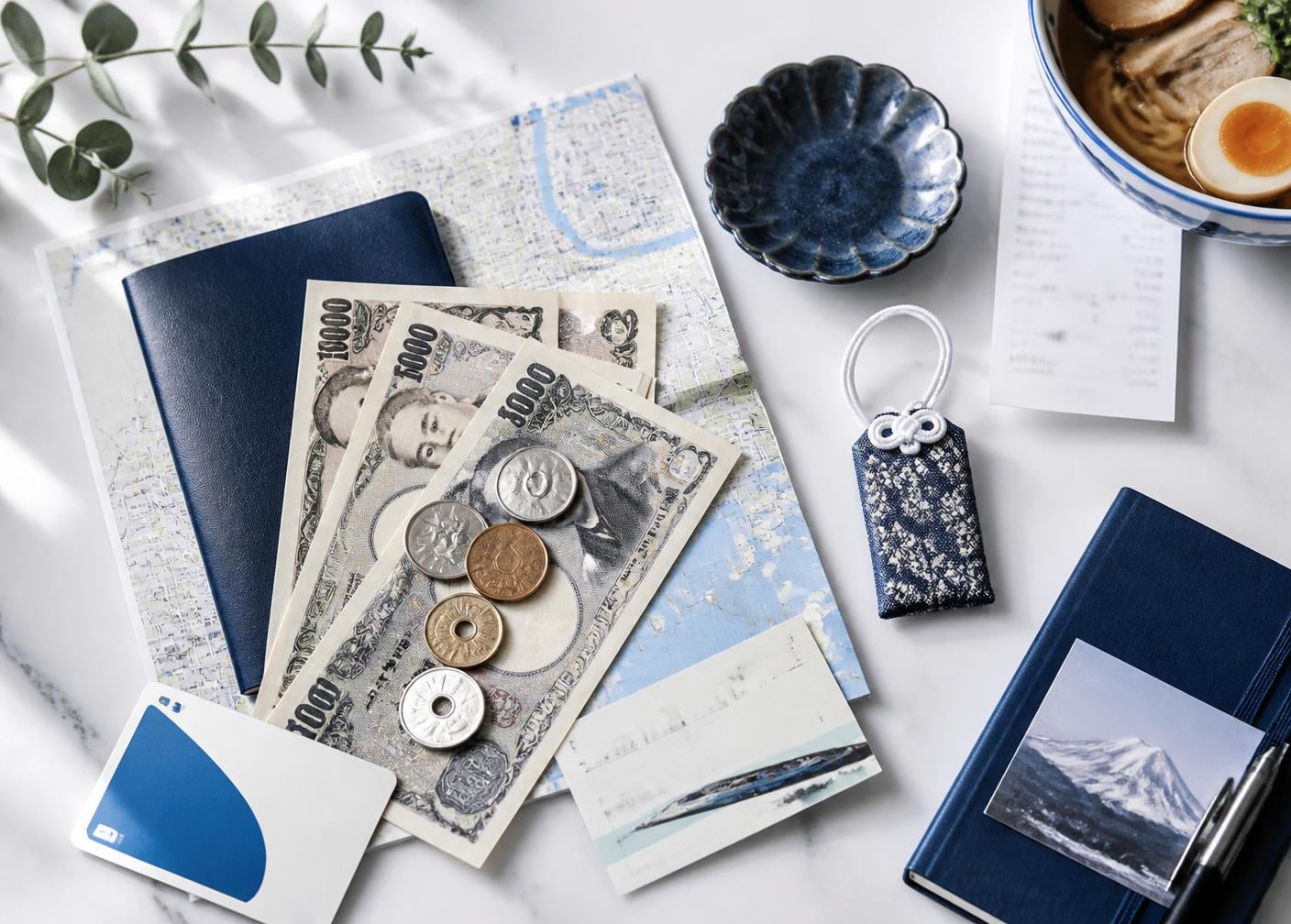
Keep coins and small notes ready for entry fees, charms, and offerings.
Rural transit
Local buses and smaller stations may not support foreign cards.
Markets and small purchases
Stalls, lockers, and older vending machines are easier with yen.
“Cash is less about carrying everything in bills and more about being ready for the small, local moments that make Japan memorable.”
Where Are Credit Cards Widely Accepted?
Major visitor areas are increasingly card-friendly. Visa and Mastercard generally have the broadest acceptance, especially at larger businesses.
How Much Japanese Yen Should You Carry?
The right amount depends on your itinerary. A city-focused traveler using cards for hotels and shopping may need only a daily cash buffer. Travelers visiting rural areas, festivals, or traditional inns should plan for more.
For a personalized recommendation, use CXI's Travel Cash Calculator to estimate how much Japanese yen you may want to bring based on your destination, trip length, number of travelers, and payment preferences.
→ Try CXI's Travel Cash Calculator
City trip
¥10,000–¥30,000
Tokyo or Osaka
Mixed itinerary
¥30,000–¥50,000
Cities and rural areas
Traditional travel
¥50,000+
Festivals or ryokans
These figures are flexible starting points, not spending targets. Keep larger amounts divided between secure places and replenish at a trusted ATM when needed.
Using ATMs and Cards in Japan
7-Eleven and Japan Post ATMs are among the most reliable options for foreign cards. Check your bank’s international withdrawal fees before departure, and let your card issuer know where you are traveling.
If a card terminal offers to charge you in U.S. dollars, choose Japanese yen instead. This avoids dynamic currency conversion and lets your card network handle the exchange rate.
Cash is useful for
Small restaurants, temples, markets, rural transport, lockers, and quick purchases.
Cards work well for
Hotels, department stores, chain restaurants, major stations, and attractions.
Common Japan Payment Mistakes
Avoid arriving with no cash, relying on one card, or carrying only large bills. Keep ¥1,000 notes and coins available, separate your backup card from your wallet, and plan your first day’s spending before you fly.
Arrival tip: Have enough yen for your first train, meal, and small purchases so you do not need to find an ATM immediately.