Your hotel reservation, a market purchase, and the ride from the airport may all require different ways to pay. Preparing a mix of payment methods gives you flexibility when card acceptance, fees, or access to cash varies throughout your trip.
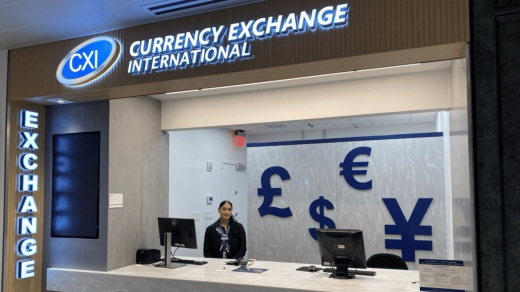
Currency Exchange International (CXI) helps travelers prepare with foreign currency exchange services and travel money resources. Understanding when to use cash, credit cards, and debit cards can help you avoid unnecessary fees and travel with greater confidence.
Should You Bring Cash, Credit Cards, or Debit Cards Abroad?
A practical approach is to carry local cash for smaller expenses, a credit card for larger purchases and reservations, and a debit card for access to funds through compatible ATMs if needed. The right mix depends on your destination, spending habits, and card terms.
- Cash
Useful for small purchases, local transportation, tips where customary, and businesses that do not accept cards.
- Credit Cards
Useful for hotels, reservations, transportation bookings, and other larger purchases where accepted.
- Debit Cards
Useful for ATM withdrawals and purchases made directly from your bank account.
Rather than relying on a single payment method, research the places on your itinerary and prepare for situations where card acceptance or ATM access may be limited.
Cash vs. Credit Cards vs. Debit Cards at a Glance
| Consideration | Cash | Credit Cards | Debit Cards |
|---|---|---|---|
| Common Uses | Small purchases, markets, transportation, and tips where customary. | Hotels, reservations, transportation bookings, and larger purchases. | ATM withdrawals and purchases linked directly to your bank account. |
| Main Advantage | Accepted where electronic payments may not be available. | Access to a credit line and potential cardholder protections. | Direct access to money in your checking account. |
| Consider Before Using | Lost or stolen cash can be difficult to recover. | Foreign transaction fees, repayment obligations, and available credit limits. | ATM fees, foreign transaction fees, withdrawal limits, and potential account holds. |
| Costs to Check | Exchange rates and any applicable exchange or delivery fees. | Foreign transaction fees and interest charges if balances are not paid in full. | ATM fees, foreign transaction fees, and other account-related charges. |
When Should You Use Cash Abroad?
Cash is useful when cards are not accepted or when you're making smaller purchases. Depending on your destination, this may include market vendors, transportation providers, small restaurants, or tipping situations.
Obtaining some local currency before you travel can help cover immediate expenses upon arrival, such as transportation, food, or tips, without needing to search for an ATM or exchange provider after a long flight.
Cash can also provide a backup if a card is declined or a payment terminal is unavailable. Consider keeping a small emergency reserve separate from your daily spending money.
The primary drawback is that lost or stolen cash is generally difficult to replace. Carry only what you reasonably expect to need and store larger amounts securely.
Should You Exchange Currency Before You Travel?
Many travelers find it easier to arrive with at least some local currency already in hand. Having cash available upon arrival can help you pay for transportation, small purchases, or unexpected expenses without worrying about finding an ATM or currency exchange location.
Exchanging currency before departure also allows you to compare rates, plan your budget, and avoid making rushed decisions after arriving at your destination. While cards may work for many purchases, having some local currency available provides an added layer of flexibility and preparation.
When Should You Use a Credit Card Abroad?
Credit cards are often useful for hotels, transportation bookings, and larger purchases where card payments are accepted. Unlike debit card transactions, credit card purchases use your available credit line rather than immediately drawing from your bank account.
Credit cards may provide protections against unauthorized charges and billing errors, depending on the card issuer and account terms. Additional benefits such as travel insurance, purchase protection, or rewards programs vary by card and should be reviewed before travel.
Before departure, check:
- Foreign transaction fees
- Available credit limits
- Payment due dates
- Travel-related benefits and restrictions
Keep in mind that hotel stays and rental reservations may place temporary authorization holds on your card, which can temporarily reduce your available credit.
When Should You Use a Debit Card Abroad?
Debit cards can provide access to local currency through compatible ATMs and allow purchases using funds from your bank account where accepted.
Before traveling, confirm:
- International card usage is enabled
- Your PIN is active and known
- Daily withdrawal limits
- ATM and foreign transaction fees
Hotel and rental companies may place temporary holds on debit cards. Unlike a credit card hold, a debit card hold can directly reduce available funds in your bank account until the hold is released.
Because ATM access may not always be available, it is wise to carry another payment method and some local currency as a backup.
Which Travel Payment Costs Should You Check?
The most affordable payment option can vary by destination, card issuer, and exchange provider. Compare the total cost of each payment method rather than focusing on a single advertised fee or exchange rate.
Exchange Rates and Foreign Transaction Fees
When exchanging currency, compare how much foreign currency you receive for the total amount paid.
For cards, review:
- Foreign transaction fees
- Currency conversion practices
- ATM withdrawal fees
- Other applicable account charges
A card with no foreign transaction fee may still be subject to ATM operator fees or other transaction costs.
Dynamic Currency Conversion (DCC)
Dynamic Currency Conversion is an option that allows a foreign merchant or ATM provider to charge your card in U.S. dollars instead of the local currency. Although the familiar dollar amount may seem convenient, the provider's conversion rate may include additional costs or markups.
In many cases, paying in the local currency allows your card issuer to perform the conversion instead of the merchant or ATM provider. Review the exchange rate and any fees shown before deciding.
Credit Card Cash Advances
Using a credit card to withdraw cash from an ATM is typically considered a cash advance rather than a standard purchase.
Cash advances may include:
- Cash advance fees
- ATM operator fees
- Higher interest charges
- Interest that begins accruing immediately
Review your card's terms before using a credit card to obtain cash abroad.
How to Prepare Your Travel Money Before Departure
A little planning can help reduce surprises during your trip.
- Verify payment acceptance throughout your itinerary. Contact hotels, tour operators, transportation providers, and rental companies to understand which payment methods they accept.
- Estimate how much cash you'll need. Consider daily expenses, cash-only purchases, and an emergency reserve.
- Review your card terms. Check foreign transaction fees, withdrawal limits, ATM charges, and any travel-related requirements.
- Prepare smaller denominations. Smaller banknotes may be useful for transportation, tips, and everyday purchases.
- Keep a backup payment option. Store reserve cash or an additional card separately from your primary wallet.
Frequently Asked Questions
What should I use when I travel abroad?
The best approach is to use a combination of foreign cash and payment cards. Foreign cash is often needed for tips, transportation, local markets, small merchants, and locations that do not accept cards. Credit cards can be useful for larger purchases, while debit cards may provide access to local ATMs if additional funds are needed during your trip.
Can every store and restaurant abroad accept cards?
No. Card acceptance varies by destination and merchant. Many countries still rely heavily on cash for taxis, local markets, street vendors, small restaurants, and rural businesses. Bringing foreign currency before you travel helps ensure you are prepared regardless of payment acceptance
Should I get foreign currency before my trip?
Yes. Obtaining foreign currency before departure is one of the best ways to prepare for international travel. Having local cash available when you arrive can help cover immediate expenses such as transportation, tips, food, and other essential purchases without needing to locate an ATM or exchange service.
How much cash should I bring abroad?
The right amount depends on your destination, trip length, and spending plans. Many travelers choose to bring enough local currency to cover transportation, meals, and day-to-day purchases upon arrival while using cards for larger expenses. CXI's Travel Cash Calculator can help estimate your needs.
Do credit cards charge fees abroad?
Some credit cards charge foreign transaction fees, while others do not. Travelers should review their card issuer's policies before departure and be aware of additional costs such as dynamic currency conversion charges that can increase the total price of purchases.