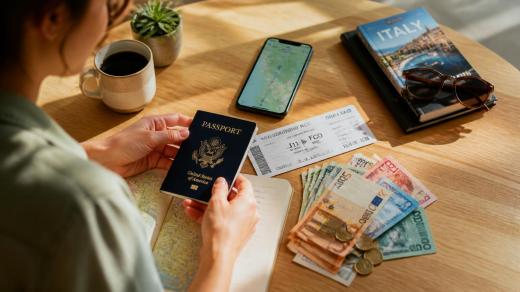
Smart travel starts with a plan, and that includes your travel money.
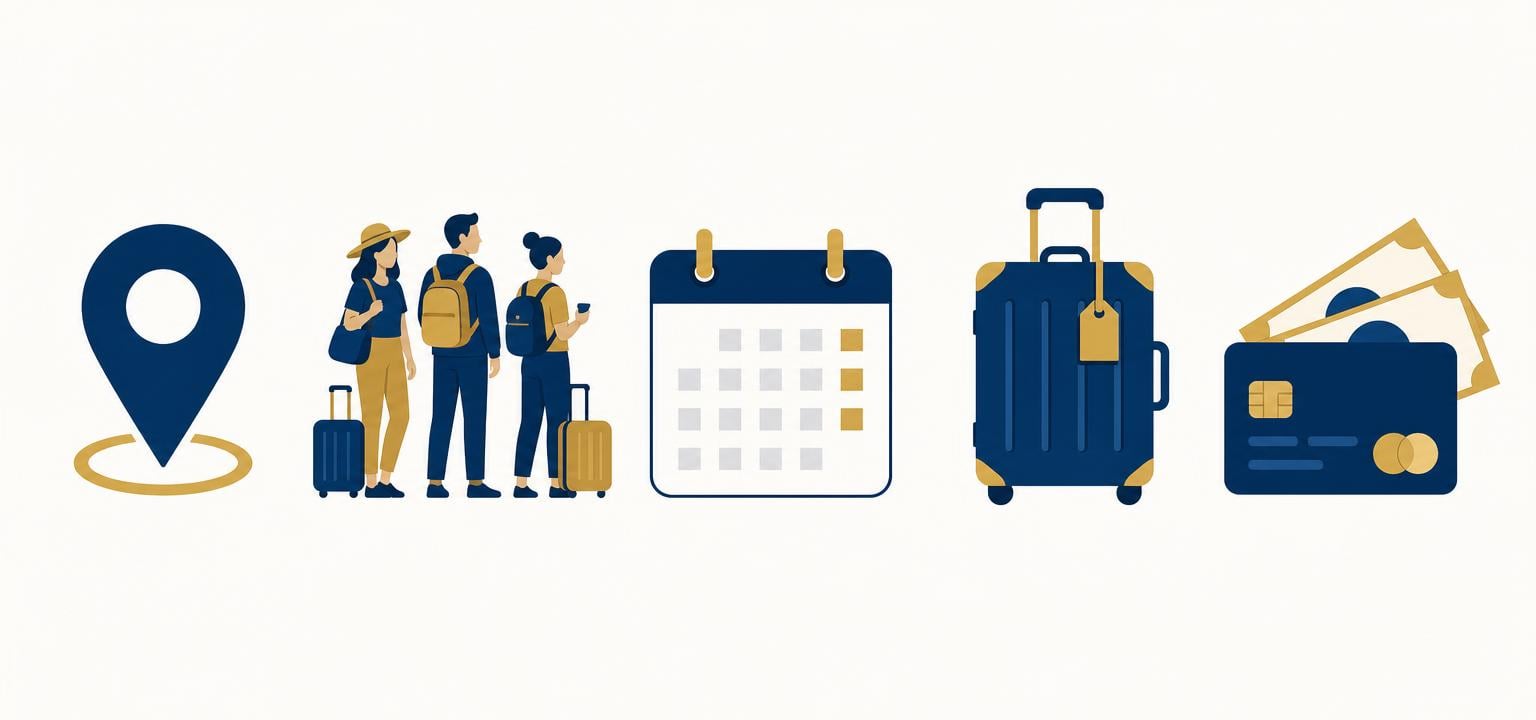
Whether you're heading abroad for a weekend getaway or an extended international adventure, having the right mix of cash and cards can make your trip smoother from the moment you arrive. Use CXI's Travel Cash Calculator to get a personalized currency recommendation based on your destination, number of travelers, trip length, and travel preferences.
The calculator is designed to help you build a practical starting point for your travel money strategy, so you can focus more on the experience and less on payment surprises along the way.
Travel Cash Calculator
Find out how much foreign currency to take on your trip — based on your destination, travel style, and how you like to pay.
How Much of Your Trip Will Actually Be Cash?
Before you think about a total, think about the split. The share of your spending that realistically happens in cash depends far more on how you like to pay than on the size of your budget.
Your destination, group size and trip length then scale that share up or down.
When You Should Carry Cash
These are the moments where a card simply won’t help you.
- Street food stalls, market vendors and small family-run restaurants.
- Taxis, tuk-tuks, ferries and local transit that don’t take cards.
- Tips for guides, drivers, porters and housekeeping.
- Temples, shrines, small museums and modest entry fees.
- Rural towns, islands and anywhere far from a bank branch.
Where Cards Are Accepted
For everything below, a card is usually the safer and more convenient choice.
- ✓Hotels and pre-booked accommodation
- ✓Flights, trains and rental cars
- ✓Restaurants in major cities
- ✓Department stores and pharmacies
- ✓Anything you may need to dispute later
Cash vs. Card at a Glance

Cash wins for
- Street food and market stalls
- Taxis and local transit
- Tips and small entry fees
- Rural towns and islands
Cards win for
- Hotels and pre-booked stays
- Flights, trains and rental cars
- City restaurants and big stores
- Purchases you may dispute
Exchange Before Your Trip

- 1
Run your numbers
Use the calculator above to get a target amount.
- 2
Order online
Choose your currency and amount before you fly.
- 3
Delivery or pickup
Have it delivered home or collect it at a CXI branch.
- 4
Land ready
Arrive with local cash for the taxi, the first meal and tips.
Airport kiosks and hotel desks are the most expensive places to exchange money. Ordering before you fly means you land with local cash already in hand.
Common Mistakes to Avoid
Exchanging at the airport kiosk or hotel desk — the most expensive places to change money.
Relying only on overseas ATMs, which can add withdrawal fees on both ends.
Bringing one large denomination and nothing small for taxis, tips and market stalls.
Assuming a card-friendly country is card-only — rural areas usually aren’t.
Frequently Asked Questions
How much cash should I bring on an international trip?
The amount of cash you should bring depends on your destination, trip length, spending habits, and how often you expect to use cards. Travelers may want to carry enough local currency for transportation, meals, small purchases, and emergencies, while relying on cards for larger expenses where accepted. Use CXI's Travel Cash Calculator above for a personalized recommendation based on your travel plans.
Is it cheaper to exchange currency before I travel?
Exchanging currency before departure gives you time to compare options and arrive with local cash already in hand. It can also help you avoid the inconvenience of searching for exchange services immediately after arrival. Exchange rates and fees vary by provider, so travelers should compare their options before making a purchase.
Which countries still need cash?
Cash usage varies by destination. While countries such as Canada and the United Kingdom are highly card-friendly, travelers may still encounter cash-only businesses in markets, small restaurants, rural areas, or local transportation systems. In destinations such as Japan, Germany, Thailand, and India, carrying local currency remains a practical part of travel planning.
Should I pay by card or cash while abroad?
Most travelers benefit from carrying both cash and cards. Cards can be convenient for hotels, larger restaurants, and major purchases, while cash may be useful for transportation, small merchants, local markets, tipping customs where applicable, and other situations where card acceptance is limited.
Where can I order foreign currency?
You can order foreign currency through CXI's Home Delivery service or reserve currency online for Branch Pick Up at a participating CXI location. Both options allow travelers to obtain foreign currency before departure.